
Enhancing Modern Organizational Development for Growth

Growth is not just a goal; it’s a journey. Like a river carving its path through the landscape, organizations must continuously adapt and evolve to thrive. But how do you ensure your organization flows smoothly, avoiding the rocks and rapids that threaten to disrupt progress? The answer lies in enhancing modern organizational development - a dynamic process that shapes the very fabric of how your organization functions and grows.
Let’s dive deep into this fascinating world, exploring practical strategies, insightful reflections, and nature-inspired metaphors that illuminate the path to sustainable growth.
Embracing Modern Organizational Development: The New Frontier
Modern organizational development is like tending a garden. You don’t just plant seeds and walk away. You nurture, prune, and adapt to the changing seasons. This approach is about more than just structure or strategy; it’s about cultivating an environment where innovation, collaboration, and resilience can flourish.
Why is this so crucial today? Because the pace of change is relentless. Technology evolves, markets shift, and societal expectations transform overnight. Organizations that cling to outdated models risk becoming fossils rather than flourishing ecosystems.
To embrace modern organizational development, consider these key actions:
Foster a culture of continuous learning: Encourage curiosity and experimentation. When employees feel safe to explore new ideas, creativity blooms.
Decentralize decision-making: Like a forest where each tree contributes to the ecosystem, empower teams to make decisions closer to the action.
Leverage technology thoughtfully: Use tools that enhance communication and collaboration without overwhelming your people.
Align purpose with practice: Ensure that every process and policy reflects the organization’s core mission and values.
These steps are not just theoretical. For example, a tech company I worked with shifted from a rigid hierarchy to a networked team model. The result? Faster innovation cycles and a 30% increase in employee engagement within a year.

What is the difference between HR and OD?
Many confuse Human Resources (HR) with organizational development, but they serve distinct roles. HR often focuses on administrative functions: hiring, payroll, compliance, and employee relations. It’s the backbone that keeps the organization running smoothly.
Organizational development, on the other hand, is the brain and heart. It’s about strategic change, culture shaping, and long-term growth. While HR manages the workforce, OD transforms how that workforce operates and evolves.
Think of HR as the gardener who waters and feeds the plants, while OD is the landscape architect designing the garden’s layout to maximize growth and beauty.
Understanding this difference is vital. Without OD’s strategic lens, organizations risk stagnation, even if HR functions are flawless. Conversely, OD initiatives without solid HR support can falter in execution.
To bridge the gap:
Encourage collaboration between HR and OD teams.
Align HR policies with OD strategies.
Use data from HR systems to inform OD interventions.
This synergy creates a powerful engine for growth, blending operational excellence with strategic agility.
Nature’s Lessons: How Ecosystems Inspire Organizational Growth
Nature offers a masterclass in adaptability and resilience. Consider a coral reef - a complex, interdependent system where countless species coexist, each playing a role in maintaining balance. When one species thrives or declines, the entire ecosystem adjusts.
Organizations can learn from this. Instead of rigid hierarchies, think of your organization as an ecosystem where diverse teams and individuals interact dynamically. This perspective encourages:
Diversity and inclusion: Just as biodiversity strengthens ecosystems, diverse perspectives fuel innovation.
Interdependence: Encourage collaboration across departments, breaking down silos.
Resilience: Build systems that can absorb shocks and bounce back stronger.
For example, a manufacturing firm I advised adopted a “networked teams” model inspired by natural ecosystems. Teams were given autonomy but remained connected through shared goals and communication channels. The result was a 25% reduction in project delays and a more engaged workforce.
Nature also teaches patience. Growth is often slow and incremental, punctuated by bursts of rapid change. Organizations must learn to recognize these rhythms and adapt accordingly.

Practical Steps to Enhance Organizational Development for Growth
How do you translate these insights into action? Here are some practical recommendations to enhance your organizational development efforts:
Conduct a thorough organizational diagnosis
Use surveys, interviews, and data analysis to understand current strengths and weaknesses. What are the bottlenecks? Where is energy wasted?
Engage leadership at all levels
Change starts at the top but must permeate throughout. Leaders should model desired behaviors and support initiatives visibly.
Design flexible structures
Avoid rigid hierarchies. Create cross-functional teams and fluid roles that can shift as needs evolve.
Invest in capability building
Provide training and development opportunities that align with future needs, not just current skills.
Implement feedback loops
Regularly collect and act on feedback from employees and customers. This keeps the organization responsive and adaptive.
Leverage technology as an enabler
Use collaboration platforms, data analytics, and automation to streamline processes and enhance decision-making.
Celebrate small wins
Recognize progress to maintain momentum and motivation.
By following these steps, organizations can create a fertile ground for growth, much like a well-tended garden that yields abundant harvests.
The Road Ahead: Cultivating Self-Organizing and Adaptive Collectives
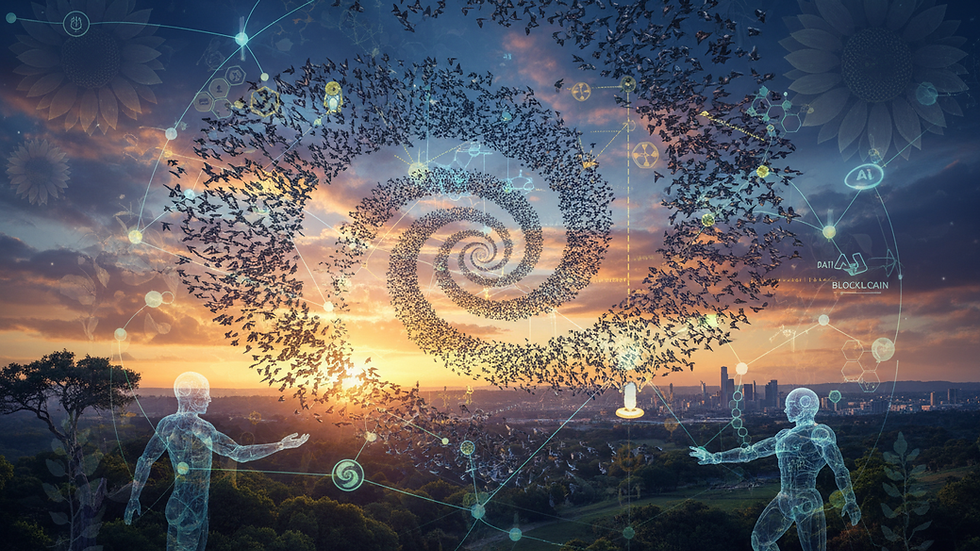
The future belongs to organizations that can self-organize and govern themselves, much like a beehive or an ant colony. These collectives operate with decentralized control, high trust, and shared purpose.
How do you get there? It starts with mindset shifts:
From control to empowerment
Trust your people to make decisions and take ownership.
From fixed roles to fluid contributions
Encourage individuals to bring their unique strengths to different projects.
From isolated teams to interconnected networks
Foster collaboration across boundaries.
Swarm Organisation champions this nature-inspired model. By guiding organizations to adopt decentralized structures, we help them become more adaptive in the face of rapid technological and societal changes.
Imagine your organization as a living organism, constantly sensing, learning, and evolving. This is not just a dream but a practical reality within reach.
Are you ready to let go of outdated control mechanisms and embrace the power of self-organization? The journey may be challenging, but the rewards are immense: agility, innovation, and sustainable growth.
Evert Bleijenberg MBA
SWARM Organisation


Comments