
Embracing the Future: The Power of Swarm DAO Organisations
- Evert

- Nov 14, 2025
- 3 min read
Updated: Feb 3
Imagine the peace of mind you will have, knowing your organisation is so intelligent that it will easily deal with all disruptive changes and is not at risk of failing in the future.
The Limitations of Hierarchical Structures
Hierarchical organisations struggle to cope with disruptive change. Their rigid structures make it difficult to adapt quickly. This inflexibility leads to a culture that often resists change. As a result, these organisations become risk-averse and innovation-shy. Their continuity hangs in the balance; they are not future-proof.
In today's fast-paced world, the ability to pivot is crucial. Think about it: how many times have we seen once-thriving companies falter because they couldn't keep up? The landscape is littered with examples of businesses that clung to outdated models, only to be outpaced by more agile competitors.
The Rise of Swarm Organisations
Swarm organisations, on the other hand, thrive on connectivity, innovation, and adaptability. They are designed to be future-proof. But what does that mean in practical terms?
Imagine a beehive. Each bee knows its role, yet they can shift and adapt based on the needs of the hive. This is how swarm organisations operate. They empower individuals to make decisions, fostering a culture of collaboration and creativity.
The Benefits of Decentralisation
Decentralisation is at the heart of swarm organisations. This model allows for quicker decision-making and a more responsive approach to challenges. When teams are empowered to act autonomously, they can innovate without the bottlenecks of traditional hierarchies.
Consider this: in a world where change is the only constant, wouldn't you want your organisation to be nimble? Swarm organisations encourage a mindset that embraces change rather than fears it. They cultivate resilience, enabling teams to navigate uncertainty with confidence.
Nature-Inspired Models
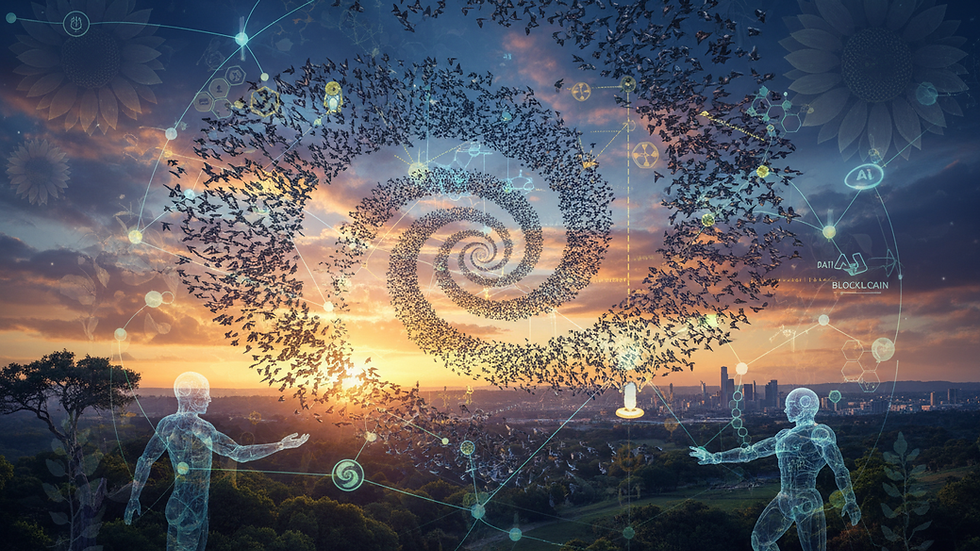
Swarm organisations draw inspiration from nature. Just as ecosystems thrive on diversity and interdependence, so too do these organisations. They harness the collective intelligence of their members, creating a rich tapestry of ideas and solutions.
This approach not only enhances creativity but also fosters a sense of belonging. When individuals feel valued and connected, they are more likely to contribute meaningfully. This leads to a more engaged workforce, ready to tackle challenges head-on.
The Future of Work
As we look to the future, it's clear that traditional models are becoming obsolete. The rapid pace of technological and societal changes demands a new way of thinking. Swarm organisations are not just a trend; they are a necessary evolution in how we work.
By adopting decentralised, nature-inspired models, organisations can become more adaptive. They can thrive in the face of uncertainty, positioning themselves as leaders in their industries.
Embracing Change
Change is like the wind; it can be gentle or fierce. Either way, it shapes our landscape. Swarm organisations understand this. They embrace change, using it as a catalyst for growth. When organisations are flexible, they can pivot quickly. This agility is essential in today's volatile environment.
Imagine your organisation as a tree. A strong tree bends with the wind but does not break. It adapts to the changing seasons, growing stronger with each challenge. This resilience is what swarm organisations strive for.
The Role of Leadership
Leadership in swarm organisations is different. It’s not about control; it’s about guidance. Leaders act as facilitators, helping teams navigate their paths. They encourage experimentation and support innovation. This creates an environment where everyone feels empowered to contribute.
Leaders must also be willing to let go. Trusting teams to make decisions fosters a culture of ownership. When individuals feel responsible, they are more likely to invest their energy and creativity into their work.
Building a Culture of Collaboration
Collaboration is the lifeblood of swarm organisations. It’s about creating connections. When individuals collaborate, they share knowledge and ideas. This exchange sparks creativity and drives innovation.
Think of a river. It flows smoothly, gathering strength from the tributaries that feed it. In the same way, collaboration strengthens organisations. It creates a current of ideas that can lead to breakthroughs.
The Importance of Continuous Learning
In a world that is constantly changing, continuous learning is vital. Swarm organisations prioritize learning. They encourage individuals to seek knowledge and develop new skills. This commitment to growth keeps teams agile and prepared for whatever comes next.
Learning should be seen as a journey, not a destination. Just as a caterpillar transforms into a butterfly, individuals can evolve through learning. This transformation is essential for thriving in a dynamic environment.
Conclusion: A Call to Action
In conclusion, the shift towards swarm organisations is not merely a choice; it is a strategic imperative. As we navigate the complexities of the modern world, let us embrace the power of adaptability and innovation. Are you ready to transform your organisation into a future-proof entity?
By understanding and implementing these principles, we can create environments where creativity flourishes and resilience is built. The future is bright for those willing to evolve.
Evert Bleijenberg MBA
SWARM Organisation


Comments